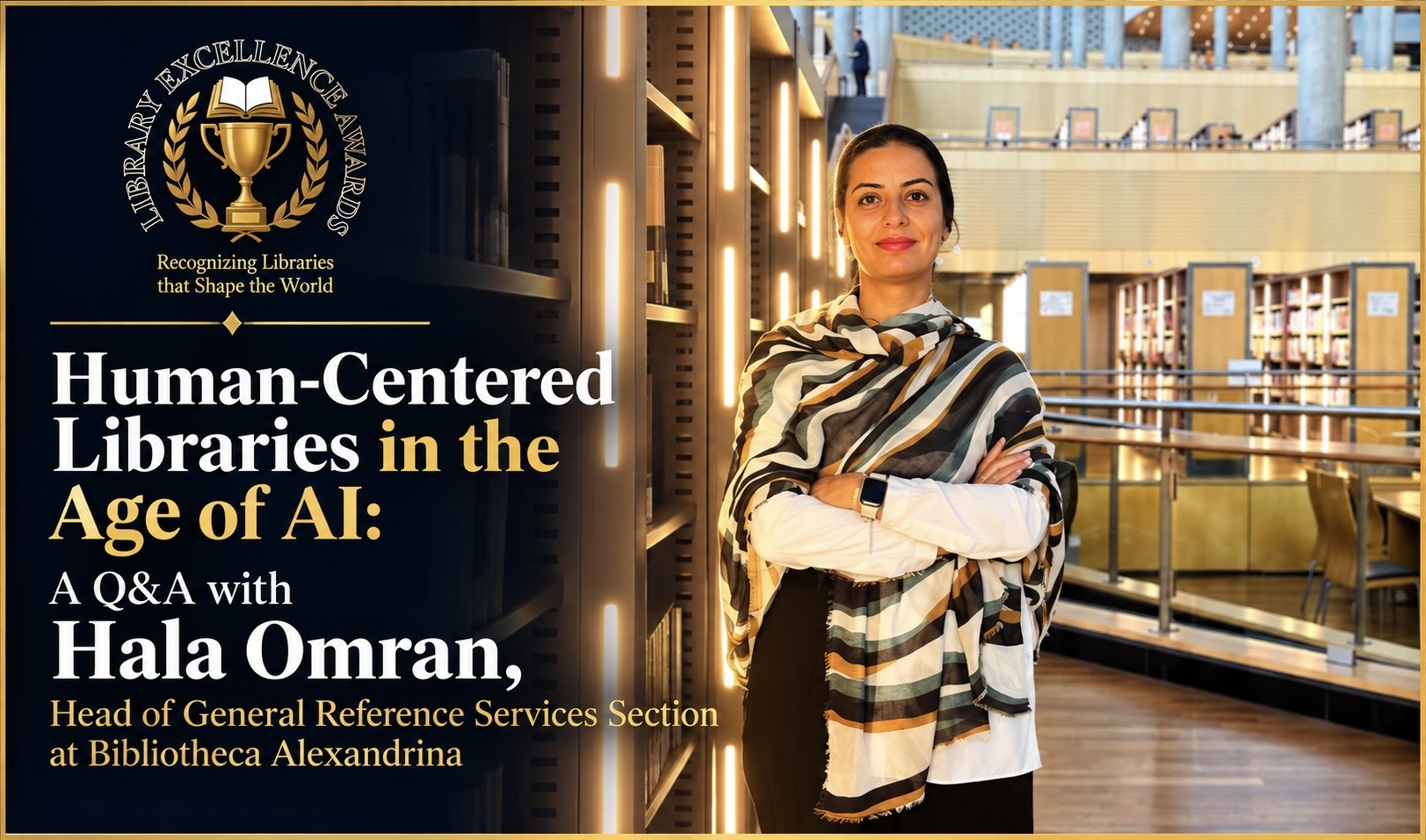

The Role of Libraries in Community Development: Building Stronger, Smarter, and More Connected Societies
In an age defined by rapid technological change and shifting social dynamics, libraries remain one of the most resilient and essential institutions in any community. Far beyond their traditional role as repositories of books, modern libraries serve as powerful engines of community development—places where knowledge is shared, ideas are cultivated, and people come together to learn, collaborate, and grow. Their impact often extends far beyond the buildings themselves, shaping the intellectual and cultural fabric of society.
📚 1. Libraries as Gateways to Knowledge and Lifelong Learning
At their core, libraries provide free and equitable access to information. This access is a fundamental pillar of community development. Whether it is a student researching a school project, an adult learning a new professional skill, or a senior citizen exploring digital literacy, libraries offer resources that support lifelong learning.
Through curated collections, digital platforms, and knowledgeable librarians, libraries ensure that every individual—regardless of background or income—has the opportunity to explore, understand, and use information that can change their lives.
🧠 2. Supporting Education and Academic Achievement
Libraries play a critical role in bolstering educational systems. School and university libraries enhance academic performance by offering students:
-
A quiet, supportive study environment
-
Access to scholarly databases and academic journals
-
Research assistance through trained information specialists
-
Literacy programs that strengthen language skills
In many regions, libraries help bridge the educational divide by providing resources and learning spaces that underserved communities may otherwise lack.
🌍 3. Promoting Social Inclusion and Bridging Inequalities
Community development is impossible without inclusion. Libraries champion equity by welcoming everyone—children, youth, adults, seniors, migrants, people with disabilities, and individuals from diverse cultural and economic backgrounds.
Libraries often provide:
-
Free internet access
-
Digital literacy training
-
Assistive technology for people with disabilities
-
Multilingual collections
-
Programs for marginalized groups
These services help ensure that no one is left behind in the digital and knowledge economy.
🤝 4. Libraries as Safe Public Spaces and Community Hubs
In many parts of the world, libraries are one of the few safe, neutral, and accessible public spaces available to all. They serve as:
-
Meeting points for local organizations
-
Venues for cultural events and workshops
-
Spaces for youth activities
-
Centers for community dialogue and civic engagement
This makes libraries central to building social cohesion and fostering stronger community ties.
💡 5. Encouraging Innovation, Creativity, and Digital Transformation
Modern libraries have transformed into dynamic innovation hubs. Many now offer:
-
Makerspaces and creative labs
-
Robotics and coding workshops
-
Virtual and augmented reality tools
-
Digital archives
-
Multimedia production studios
By opening doors to advanced technologies, libraries empower communities to develop digital skills essential for future jobs and creative industries.
🌱 6. Supporting Cultural Preservation and Heritage
Libraries safeguard cultural memory through the preservation of local history, traditions, and identities. Through archives, oral history projects, and curated exhibitions, libraries help communities maintain a sense of identity and belonging. They also act as cultural ambassadors by promoting diverse voices and global perspectives through storytelling programs, multicultural events, and inclusive collections.
🏛️ 7. Strengthening Democracy through Access to Information
An informed society is a strong society. Libraries support democratic values by ensuring free access to credible information and helping people distinguish fact from misinformation. Through media literacy programs and trusted reference services, libraries encourage critical thinking, civic participation, and responsible citizenship.
🏁 Conclusion: Libraries as Pillars of Sustainable Community Development
The role of libraries in community development is profound and multifaceted. They educate, empower, and connect people. They preserve heritage, inspire innovation, and promote social cohesion. Most importantly, libraries equip communities with the knowledge, tools, and confidence needed to thrive in an ever-changing world.
As we celebrate excellence in the library sector through initiatives like the Library Excellence Awards, we recognize the extraordinary contributions libraries make—not only to individuals but to the world as a whole.
Because when we invest in libraries, we invest in the future.